
Designing belonging
DESIS Social Innovator Fellow discusses migration, mentorship and creating spaces where families can learn, connect and thrive.
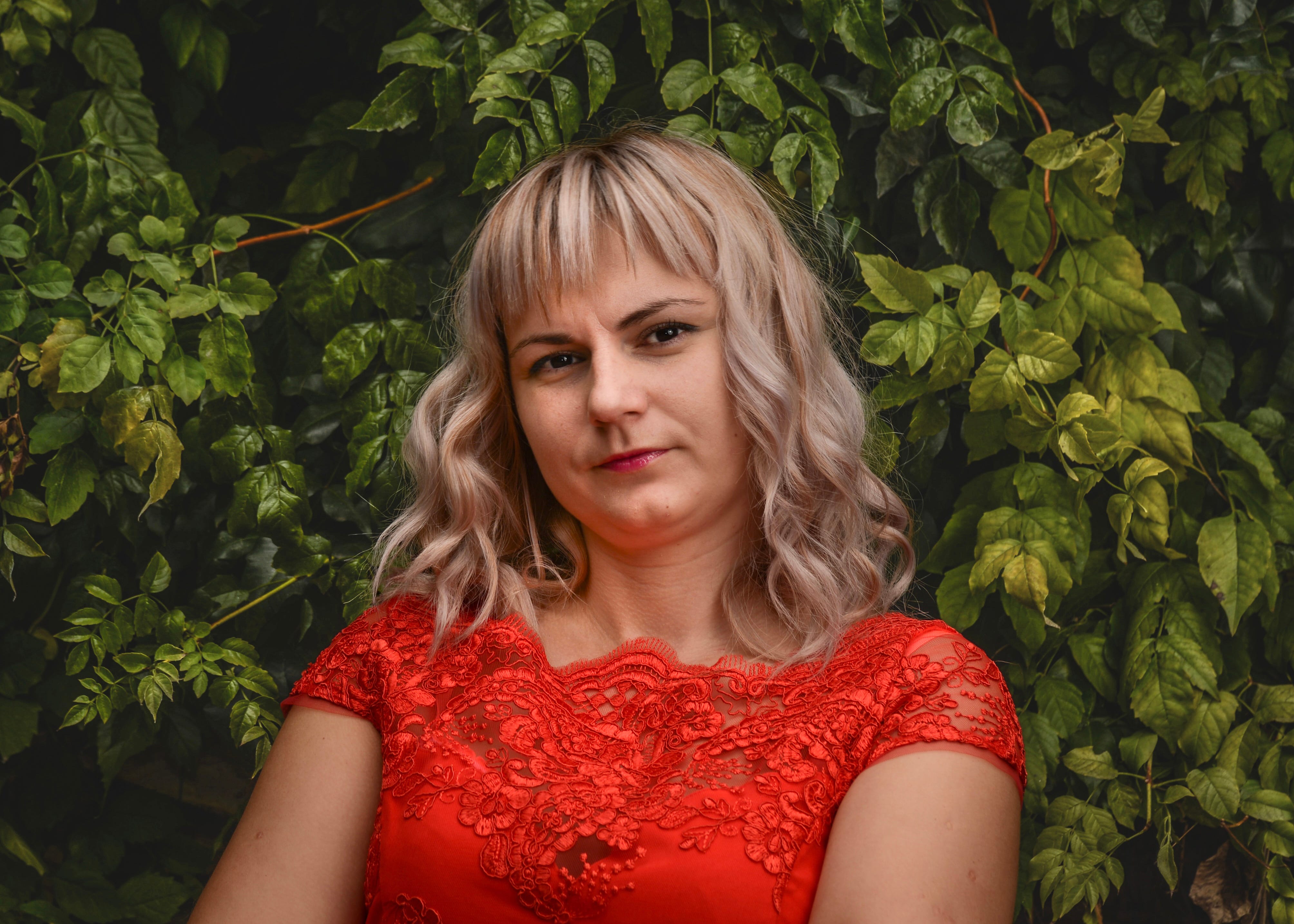
Our DESIS Spring 2026 Social Innovator Fellow Yuliia Barash is an educator, community builder, and social initiative organizer based in Lisbon, Portugal. Over the past decade, she has worked in education, community development, and social support roles across Ukraine, Finland, and Portugal. Her experience includes designing educational programs, organizing family and community events, and supporting children’s emotional and social development. Her work focuses on building supportive environments for families, strengthening migrant communities, and creating initiatives that combine education, creativity, and social integration.
What first drew you to get involved in social innovation?
My drive emerged from a personal need to transform the migration experience into a tool for community development. I sought not only to preserve our cultural identity but also to find a path for active integration into a new society through meaningful action. My goal became creating events that simultaneously support both nature and people, uniting us with the local community through shared responsibility.
Tell us about your work in education, community development, and social support
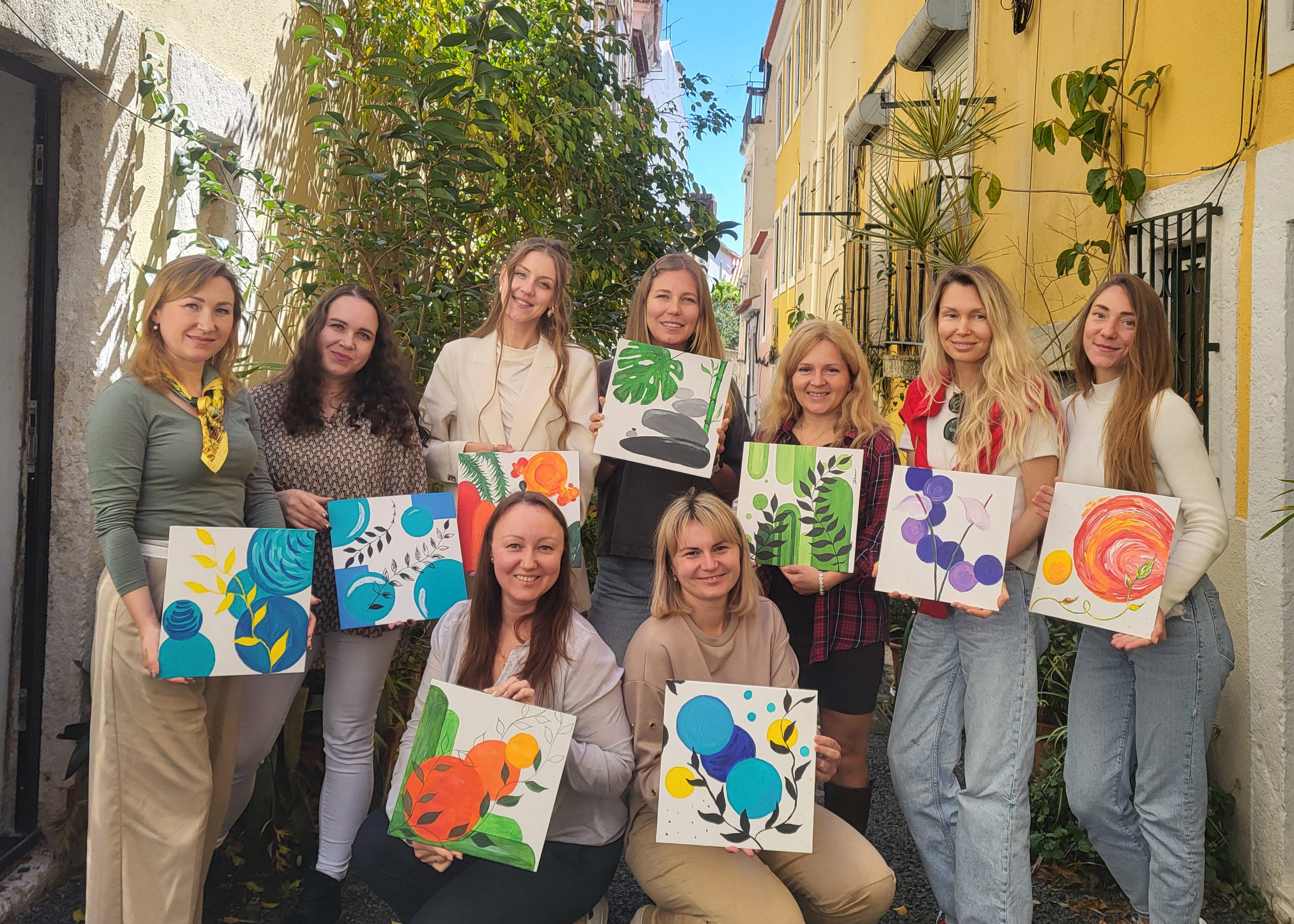
I founded TEPLO, a family community in Lisbon that has become a vital support network for Ukrainians through education and active leisure. Teplo means warmth in Ukrainian. We developed a children’s center as a core branch of the project, where we assist children with educational needs while providing psychological support to parents. To foster community development, we organize numerous events, such as Eco-Week, which includes beach clean-ups, factory visits, and collaborative workshops with international communities — helping families build new friendships and grow together in a new environment.
Tell us about your role as a DESIS Fellow Social Innovator
As a DESIS Fellow, I was invited to participate in workshops, connect with mentors and provided with some funding to support the evolution of my social initiatives from community building to systemic environmental projects. The first phase of my fellowship focused on establishing TEPLO, emphasizing social support and family education. Subsequent support allowed me to expand my scope and launch the Eco-Bridge project, where I coordinate environmental actions and workshops aimed at integrating our community into Portuguese society.
How has DESIS Lab and the ERA Chair in Social Innovation enhanced your journey?
The program helped me bridge gaps in my theoretical knowledge, as I previously acted mostly based on intuition and practice. A major contribution came from numerous meetings with different mentors, who helped me focus on specific tasks and refine my project strategy. Additionally, participating in the program provided me with many valuable professional connections, which expanded my opportunities for collaboration and gave me a clear understanding of how to professionally develop a community in Portugal.
Tell us about what you have found successful, surprising, and challenging along your journey.
My main success is the creation of a living ecosystem: from the Dimkids educational program, where children attend comprehensive Saturday classes, to our vocal group and workshops led by our own artisans. I am pleasantly surprised by how united and open people are. It turned out they were in critical need of a space for simple human connection and exchange. The biggest challenge is the financial aspect, as launching so many ideas requires significant resources, which can lead to emotional exhaustion — though the gratitude of the community always provides powerful motivation to keep moving forward.
What are your hopes for the future?
My immediate goal is to officially register TEPLO with the Portuguese system to fully engage with government authorities and ensure the project’s sustainable development. I aim to design a social adaptation model that can be scaled to support not only Ukrainians but all foreigners in Portugal. Specifically, I plan to launch programs for mastering new professional skills to help people integrate faster into the market and become financially independent.
What words of advice would you give to those starting out in social innovation?
My main advice is not to wait for the perfect moment but to start small, based on the actual needs of the people around you. Seek out like-minded individuals and do not hesitate to ask for mentorship — an outside perspective and theoretical framework help avoid many mistakes. Remember: even when you feel exhausted, the energy of grateful people — those you’ve helped find friends or a new vocation — will always return to you multiplied.