
Designing participation: lessons from a community garden
🌿 Practical insights for enhancing engagement, experimentation and ownership in shared spaces
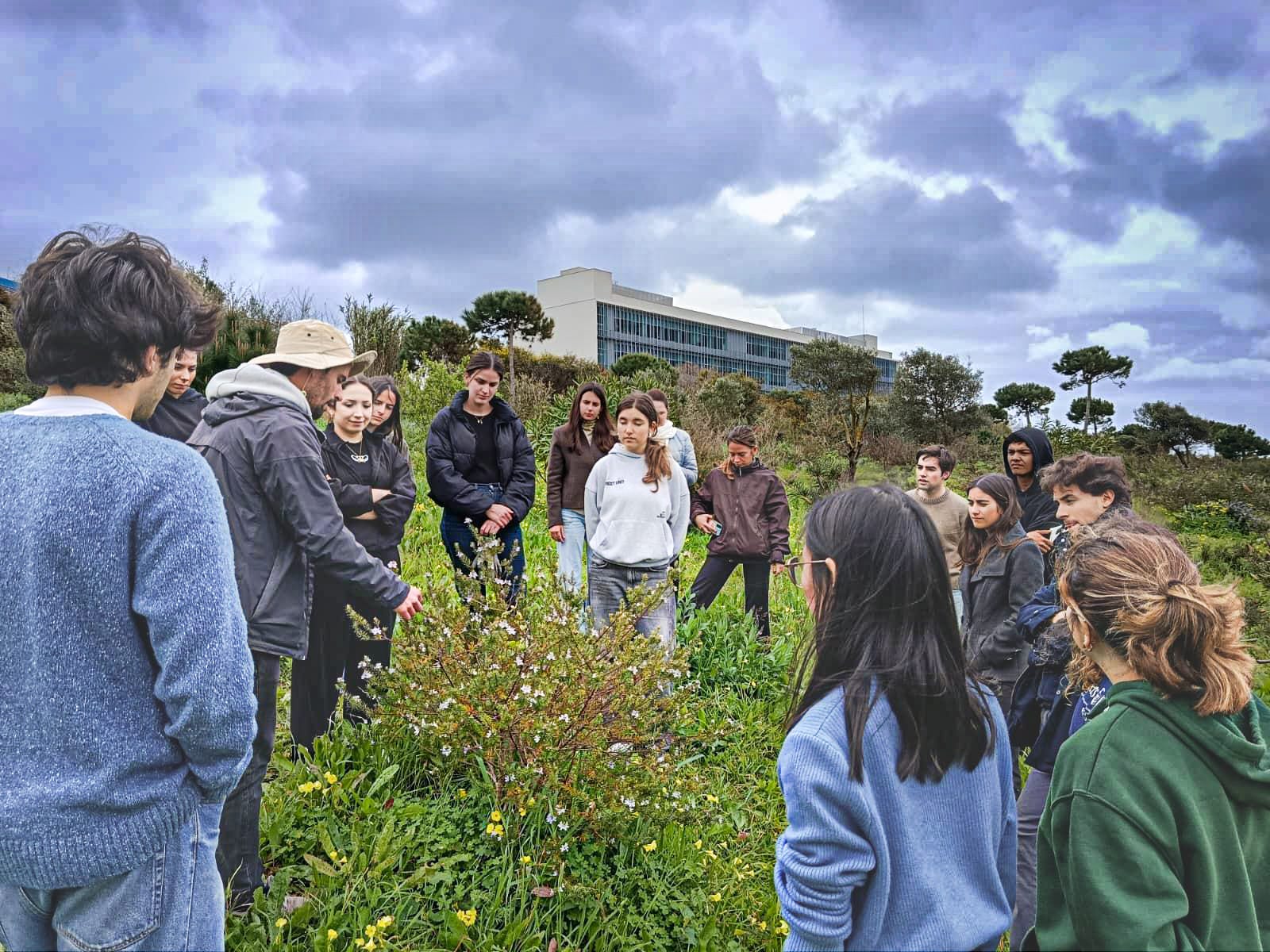
Over the past year, our community garden at Nova School of Business and Economics has become much more than a space — it has become a testing ground for how communities form, participate, and take ownership. What has emerged are some core learnings — relevant not just to community gardens, but to anyone working in communitybbuilding, social innovation, or participatory projects.
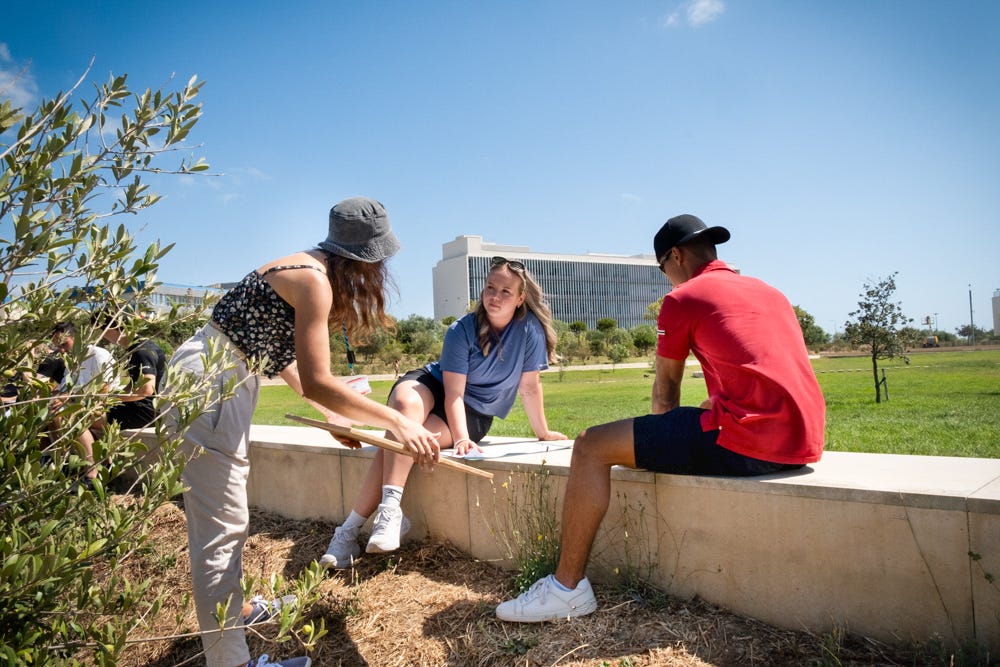
Design for different levels of engagement
Many people are likely to show interest in participating in a new initiative — but it soon becomes evident that they cannot all commit in the same ways. When participation is designed only for consistency, you exclude a large portion of potential contributors. By contrast, when you create multiple participation pathways — some lightweight and more accessible — you significantly increase the opportunity for engagement.
The key shift for us was moving from a single participation model to a layered one:
Low-commitment: one-hour tasks (one off or serial)
Medium engagement: recurring volunteering on longer projects
High engagement: guardianship and long-term stewardship
This has allowed more people to participate in ways that suit them, while still supporting the emergence of a committed core.
INSIGHT: Participation increases when people can choose their level of involvement — and move between levels over time.
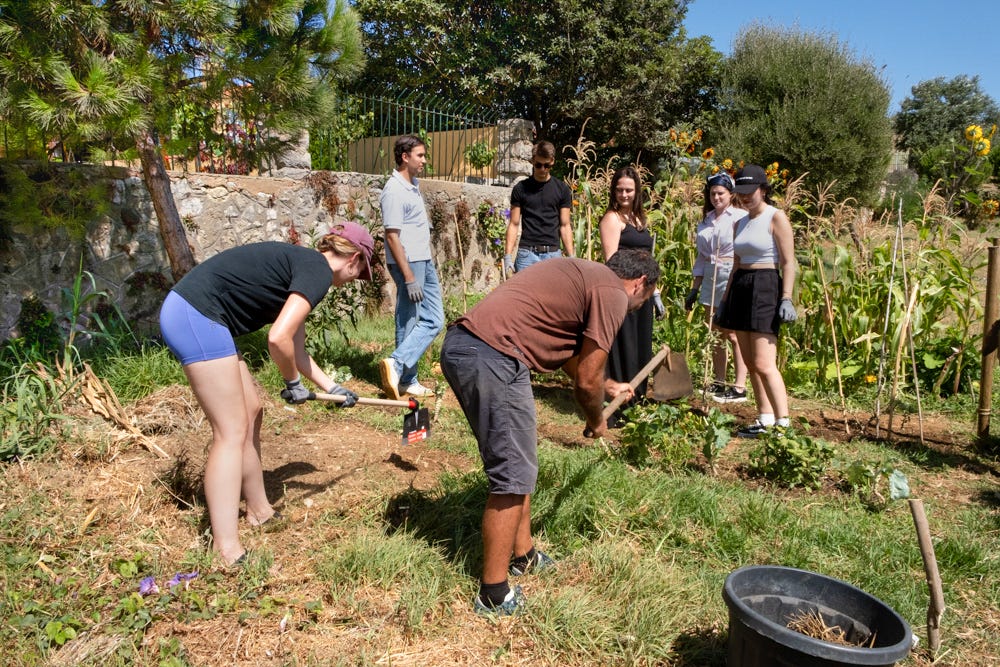
Build a core — then shift from leading to supporting
Participatory projects often speak about ‘community ownership,’ but ownership usually needs to be scaffolded to emerge. A dedicated community management function can play a critical role in building trust, maintaining continuity and coordination, lowering barriers to participation, and connecting people into a shared culture of care.
Over time, a core group of garden guardians has formed, including local residents, university staff and passionate individuals — developing a deep connection to this flourishing space. They hold knowledge, make decisions, and take responsibility for its continuity.
This group has developed:
Practical knowledge of the space
Confidence to make decisions
A sense of ownership and responsibility
Like roots, this layer is not always the most visible, but it is what stabilises the system. It forms gradually, through repeated engagement, trust, and shared experience. As this layer strengthens, the role of community managers can shift from guiding to enabling.
INSIGHT: Ownership is not assigned — it grows. Be intentional about creating avenues for community members to lead and know when to step back to more of a facilitating role.
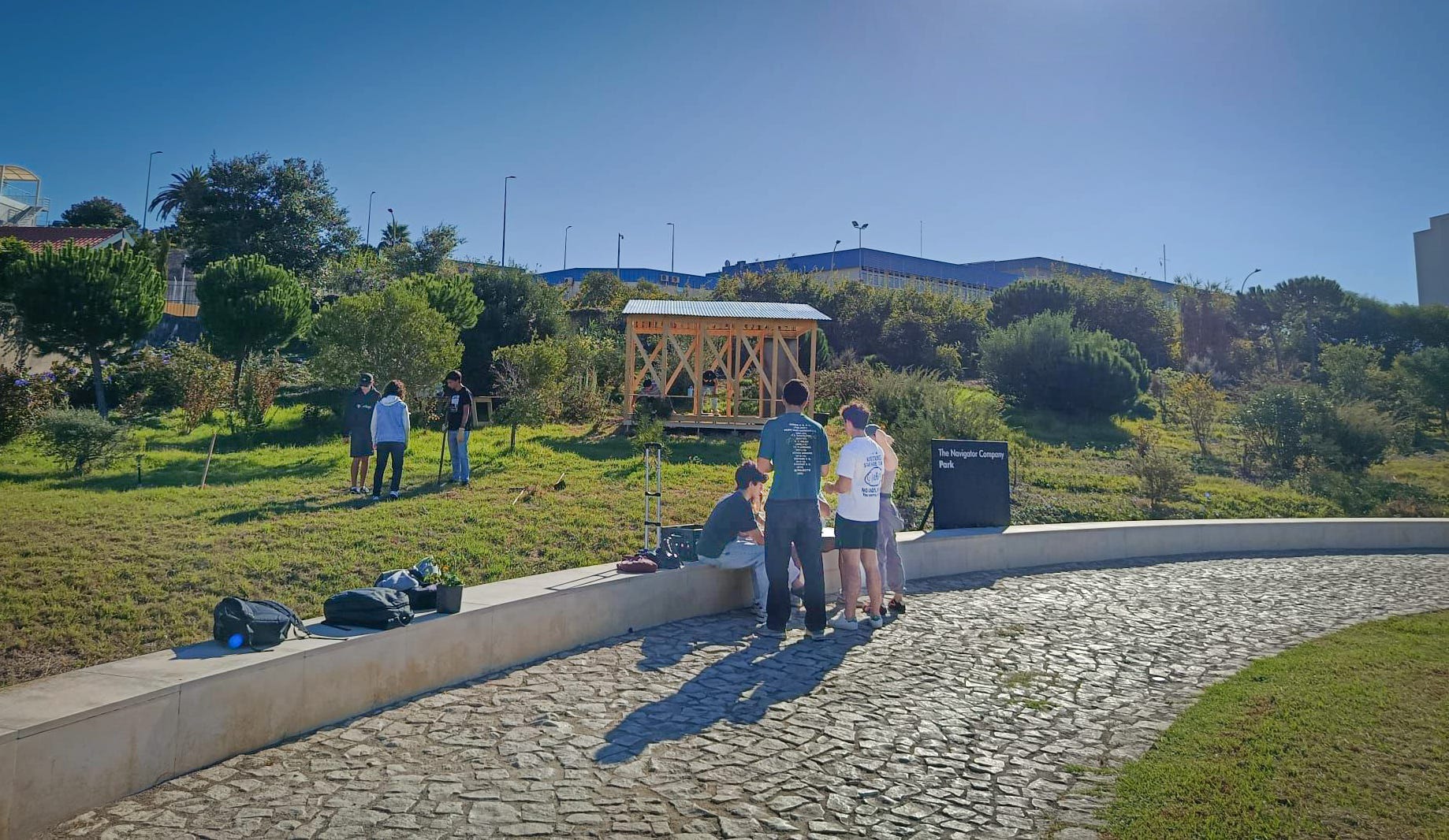
Switch mindset from project to platform
Some of our most valuable developments came from staying open to change:
External experts bringing new knowledge into the space (e.g. workshops on mushrooms, bird spotting and neuroscience)
Participants evolving into facilitators over time
New groups (such as student clubs) exploring and activating the space
The result is not always predictable — but it is more resilient and generative. This approach increases relevance, diversity of use, and long-term vitality — but requires comfort with uncertainty and less control over outcomes. What might you unlock if you treated your project as a platform that others can plug into?
INSIGHT: The more a project can be used and shaped by others, the more community value it can create.
What we’re testing next
Building on these learnings, we are focusing on three experiments for the year ahead:
New participation formats such as weekly open mornings (drop-in, low barrier) alongside more structured Open Days
The garden as a living lab — hosting external experiments from artistic practices to ecological initiatives
Shared governance and sustainability through establishing a multi-stakeholder board (launched in January) and exploring various models to support the garden beyond its current funding phase
At our NOVA SBE Community Garden, one thing has become abundantly clear: community projects don’t grow through intention alone. They grow through how participation is designed, how ownership is enabled, and how open the system is to evolution. The garden simply makes these community dynamics visible.