
Designing the Conditions for Care
Rethinking design, proximity and the environments that shape how we relate to one another
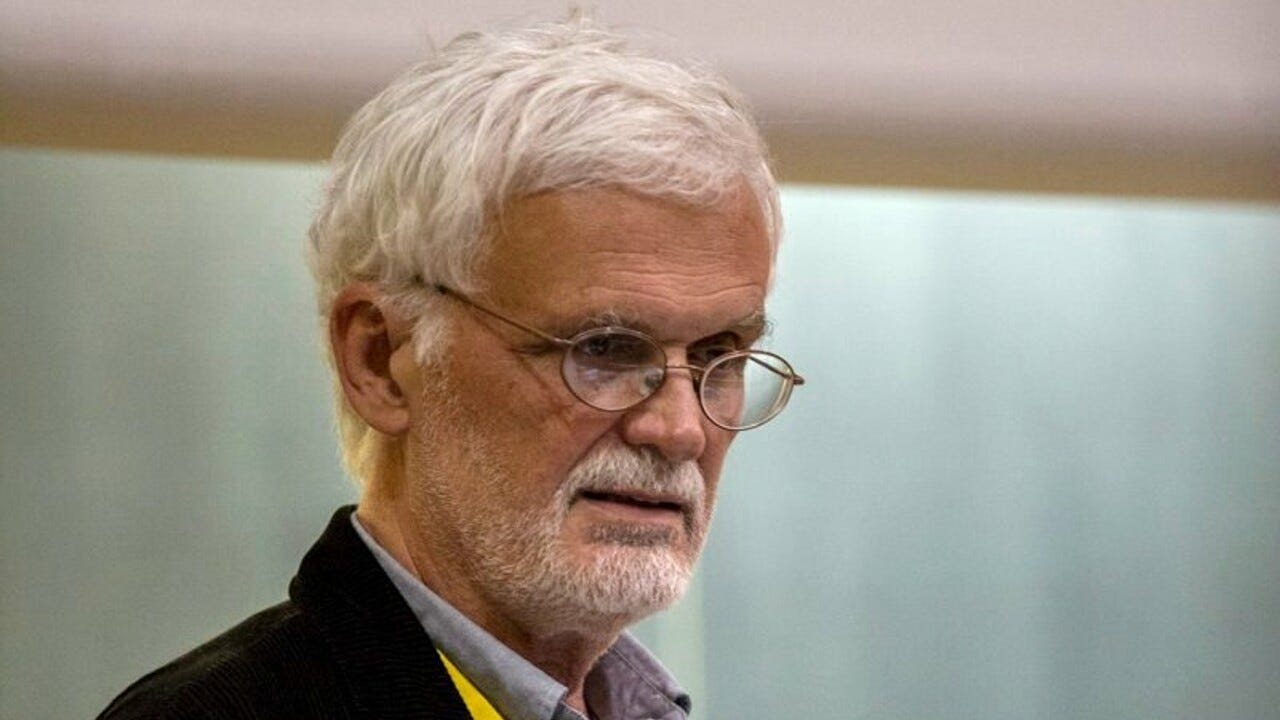
Through conversations with passionate and mindful designers, The Design Thinking Roundtable explores how design can create change and social impact. Ezio Manzini is widely regarded as a thought leader in the fields of sustainable design and social innovation. In 2009 he brought these two areas together in founding The DESIS Network (Design for Social Innovation and Sustainability) — a global network of design schools dedicated to advancing work at the intersection of these practices. In this episode, Ezio reflects on the growing crisis of care in contemporary society and what this means for the role of design. He reframes care not simply as service provision, but as a fundamental human attitude grounded in attention, empathy and effort — something that requires time, energy and, crucially, proximity.
A central thread in the conversation explores a key paradox: while care is essential to building resilient and sustainable societies, it cannot be directly designed. Instead, Ezio argues, designers must focus on shaping the conditions that make caring relationships possible. This means creating contexts and systems that gently invite people to connect, support one another and act with care. In a world increasingly structured around distance — from digital mediation to urban zoning — this shift challenges dominant design paradigms, calling for a move away from efficiency and abstraction toward relational, situated and human-scale thinking.
“The challenge for design today is not to control behaviour, but to gently invite more caring ways of living together.”
In his latest book, Ezio introduces the idea of livable proximity as a way to rethink cities and societies. Contrasting the fragmented, individualised landscapes of modern urban life with more dense and diverse historical models, he highlights how distance has eroded both social fabric and environmental resilience. From community gardens to neighbourhood-led initiatives and the ‘15-minute city’, he points to social innovation as a growing counter-movement — one that reconnects people through localised, collaborative systems of care.