
Empowering the changemakers within
CEBRA Talent co-founder Marielen Winter on the power of young professionals to transform organisations through impact intrapreneurship.
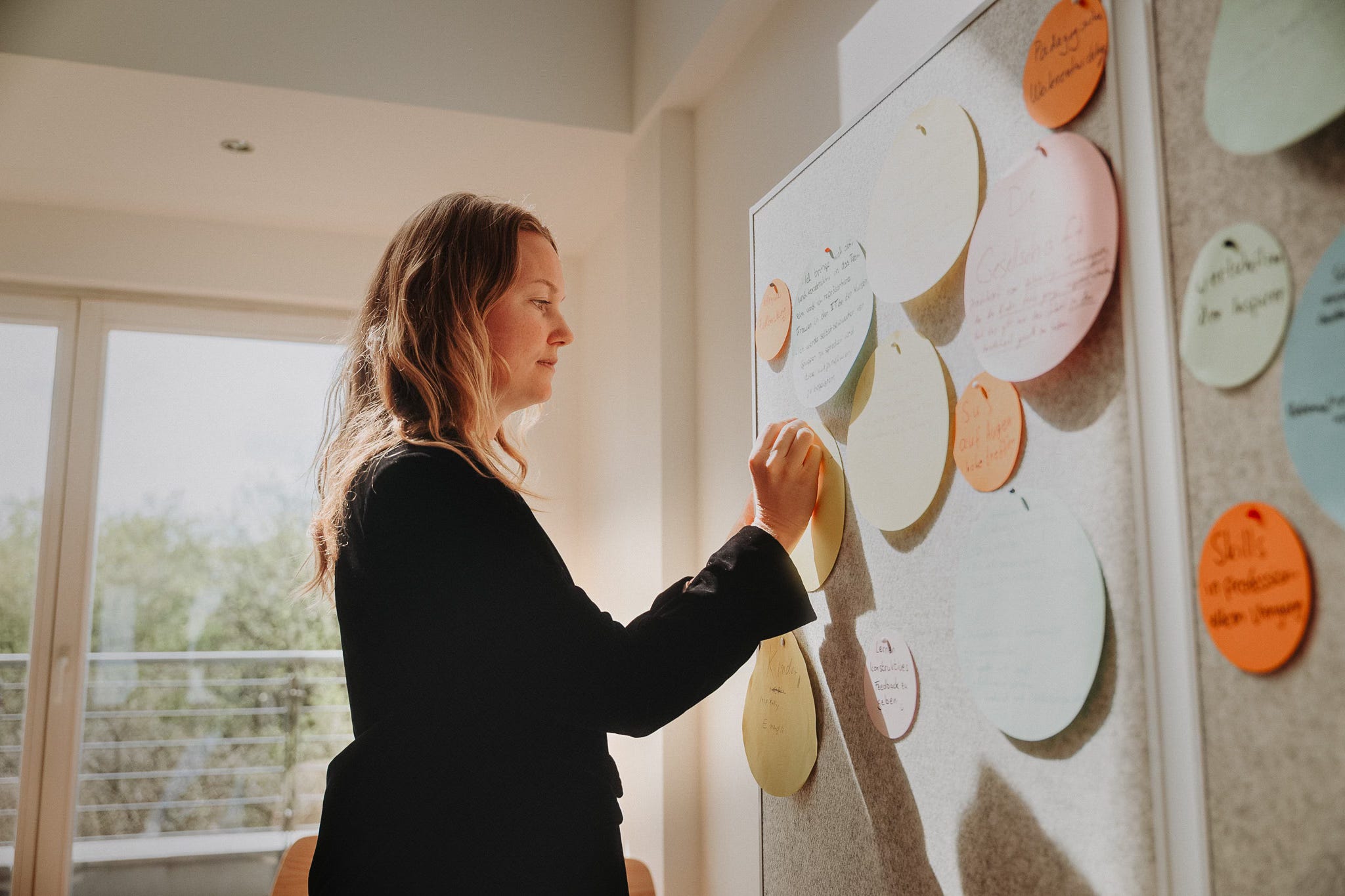
Marielen Winter is passionate about unlocking potential — whether in individuals, teams, or organizations. That’s why she founded CEBRA Talent: to help young professionals catalyze change at companies from within.
With a background in business development and corporate social responsibility (CSR) Marielen brings a unique mix of strategic thinking, deep listening, and a sharp eye for hidden strengths. Leaving that corporate path for the social innovation space, she joined a conscious slow food startup, connected with zebra founders, and fell in love with the question: What if we could bring the spirit of social innovation into existing systems? That question became the seed for CEBRA.
Marilen completed her Master’s in Impact Entrepreneurship & Innovation at Nova School of Business and Economics in 2024. CEBRA was started as a student project and later launched as a venture with co-founder Livia Martins.
Tell us about CEBRA
At CEBRA Talent, we empower young professionals to become impact intrapreneurs — people who take ownership, challenge the status quo, and drive meaningful innovation from within their organizations.
Our work sits at the intersection of personal growth and organizational transformation. We help young talents discover their strengths, connect with their values, and translate that awareness into action — by shaping projects, teams, and cultures that reflect a more sustainable and human way of doing business.
For companies, this means unlocking a new wave of energy and innovation from the inside — strengthening engagement, retention, and future readiness. For the talents, it’s a journey of self-discovery, courage, and real-world impact.
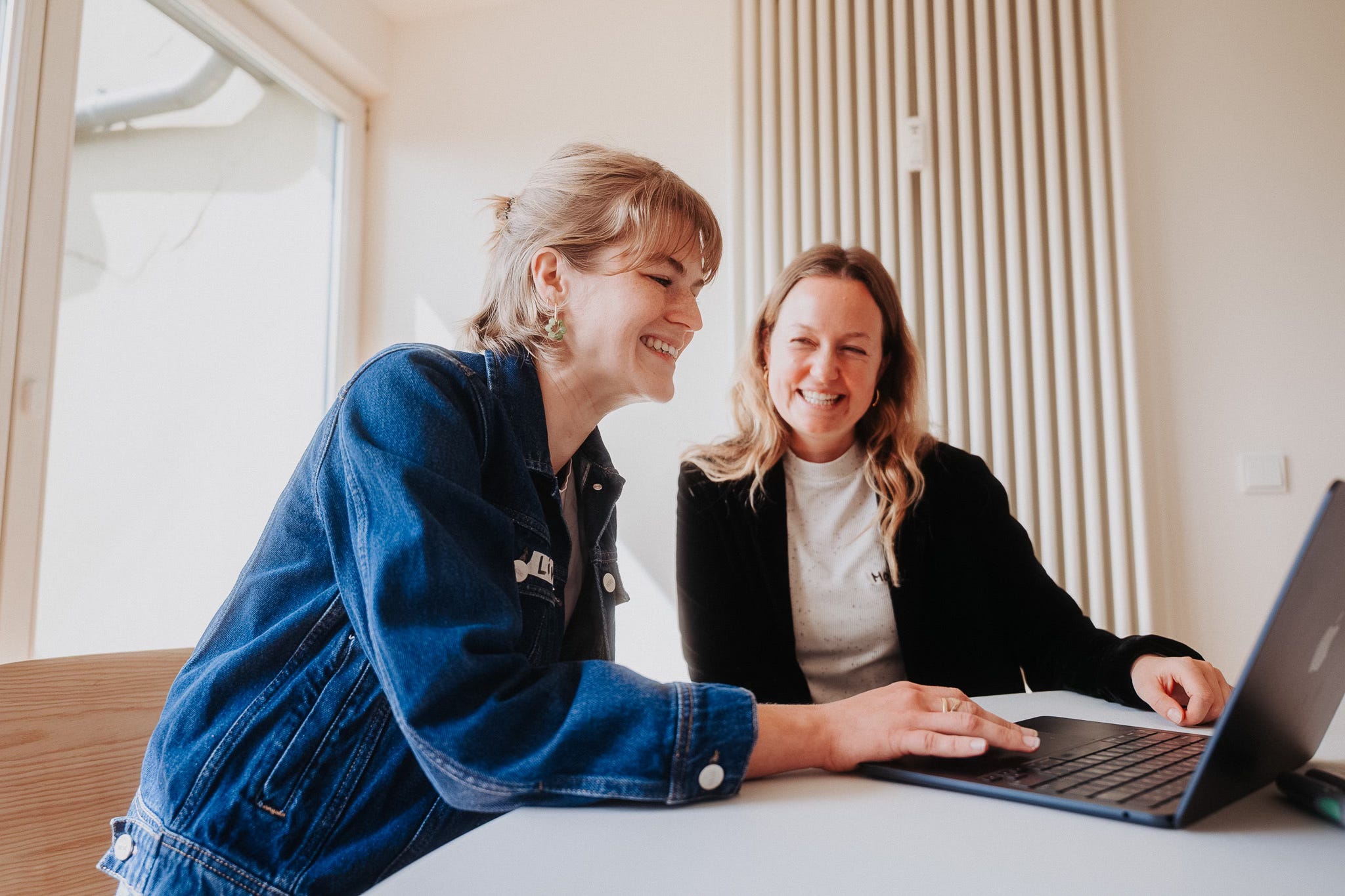
CEBRA co-founders: Livia Martins (left) and Marielen Winter (right)
How has the CEBRA journey been so far?
Building CEBRA is one of the most fulfilling and challenging experiences I’ve had, stretching me in ways I had never expected. We are learning so much on a daily basis about co-creation, patience, navigating uncertainty, and staying true to our purpose while shaping something that works in the real world.
There are moments of doubt and moments of joy, both are part of the process. And seeing people step into their own power through our programs, becoming more courageous and connected to what truly matters, keeps reminding me why we started in the first place. Especially now, as AI reshapes how we work, our focus on human connection, creativity, and meaning feels more relevant than ever.
How has DESIS Lab – hosted by the ERA Chair in Social Innovation – enhanced your journey?
CEBRA was born at Nova SBE, and the DESIS Lab played a key role in shaping our early steps. We took part in design jams that helped us develop and refine our initial idea, and we learned creative tools and methodologies that we still use in our work today.
Also, finding a mentor like Anne-Laure to co-create with gave us the confidence to start hosting our own CEBRA workshops soon after, which was super helpful to test our approach and further develop.
What you have found successful, surprising and challenging?
Looking back, I’m proud that we managed to turn an idea into reality, secured funding, built strong partnerships, and as co-founders are able to confront any challenges that are coming our way. Seeing how we work together and are willing to commit to pursuing the inner growth this job requires, makes me very proud.
What surprised me most was how patient you need to be. You start out wanting to create visible change right away, but true impact takes time. It’s easy to get lost in the behind-the-scenes work - strategy, outreach, admin - so I’ve learned to celebrate the small wins: a spark in someone’s eyes, a message saying ‘this changed how I see my job.’ Those moments matter.
One of the hardest parts is living in constant beginner mode. As a founder, you’re always learning, always extending. You have to keep reminding yourself of what you’re good at and what grounds you.
And yes, this year brought challenges: the shifting priorities in politics and business, budget cuts, and less focus on ESG (environmental, social, and governance). But I truly believe that the desire for purpose, growth, and inner transformation is not going anywhere and in fact it’s only getting stronger.
How has it been finding and working with partner organisations?
Finding the right partners has been key. We work best with organizations that believe their people can be innovators, companies that see learning as more than training, and transformation as something that can be grown from the inside.
The most successful collaborations happen when both sides bring openness and trust. We don’t come in with ready-made solutions. We co-create. We build with our partners, not for them. That shared ownership is what makes it work.
What are the key elements in building a strong talent network?
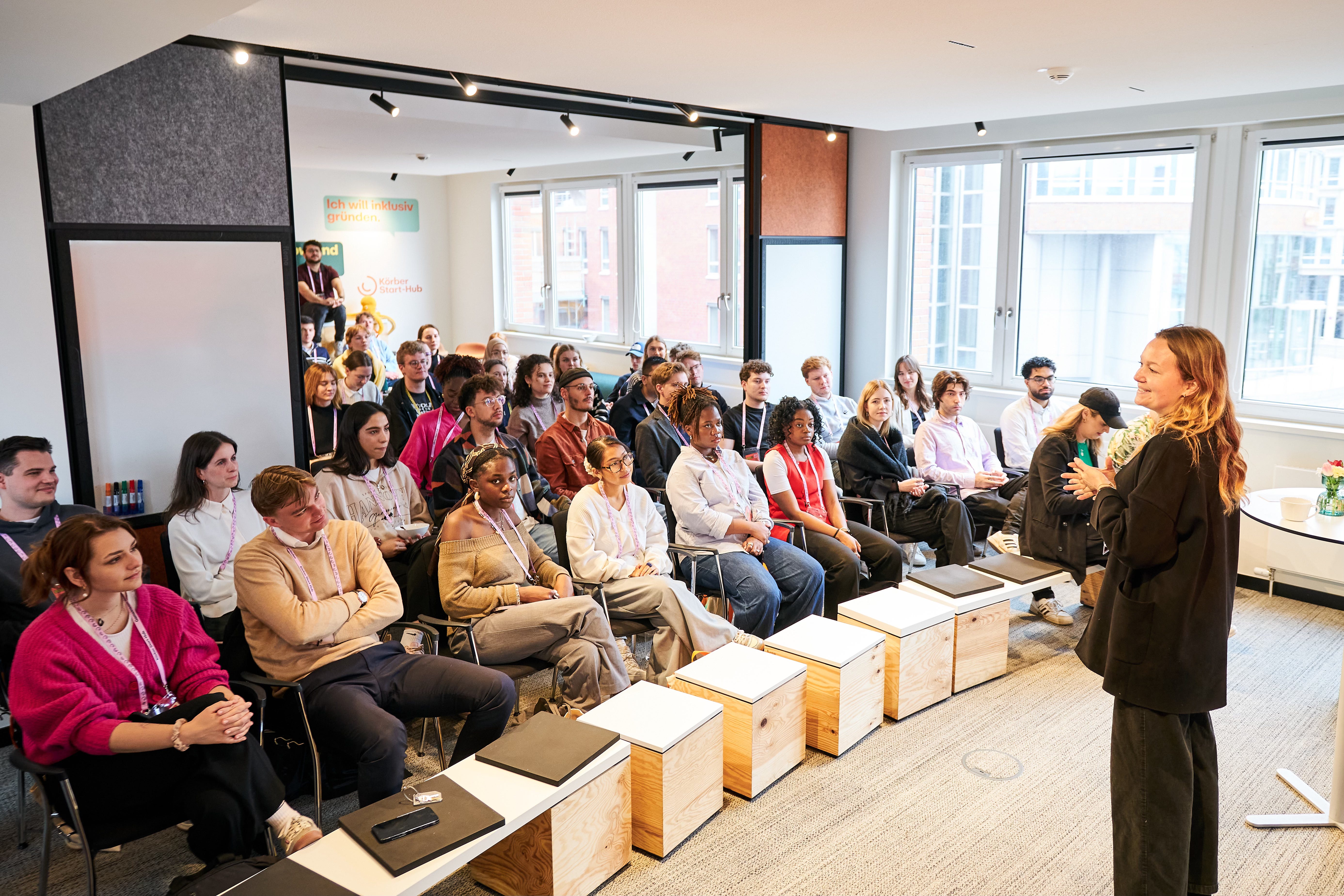
For me, a strong community is built on connection. It’s about creating spaces where people feel seen, safe, and inspired to grow. At CEBRA, we’ve learned that the magic happens when people come together not just to learn, but to share. When someone opens up about a challenge, offers advice, or celebrates another person’s win — that’s where trust and belonging start to thrive.
We focus on depth, not size. A few honest conversations can be far more transformative than hundreds of surface-level interactions. Through peer coaching, storytelling circles, and simple rituals, we help people build rhythm and continuity – a sense of being part of something bigger than themselves.
Ultimately, a strong network is one where everyone feels both supported and needed. That’s when a community becomes alive — when people show up not just for themselves, but for each other.
What are your hopes and dreams for the future of CEBRA?
When I think about the future of CEBRA, I picture a world where every company has people inside who feel empowered to make a difference, where innovation and purpose aren’t separate, but part of everyday work.
By 2035, I hope impact intrapreneurship has become a natural part of career development and that it’s normal for employees to use their creativity, empathy, and courage to shape more regenerative, human workplaces from within.
I imagine thousands of talents connected across industries, a living network of people who support each other, share what they’re learning, and prove that transformation can start small and ripple outward.
And on a more personal level, I dream of growing a team that flourishes. Where everyone can live their passion, bring their strengths, and feel they’re contributing to something meaningful. I want CEBRA to remain a place of curiosity, growth, and heart – not just a company, but a movement that keeps reminding people: change starts here, and it starts with us.
What words of advice would you give to those starting a new social innovation venture?
This work is deeply personal, so take time to get clear on your ‘why’ and the values that guide your decisions. Journal regularly, find small rituals that help you pause and reconnect, and be honest about what gives you energy (and what drains it). The stronger your inner compass, the easier it becomes to navigate uncertainty.
And create small, visible moments of impact early on, even if they’re simple. Run a first workshop. Share a story. Help one person shift their perspective. Seeing your work touch others will fuel your motivation and attract people who want to join you.
In the end, stay connected to your vision, but hold it lightly. Let it evolve as you learn. Something profound happens when you grow alongside your idea, step by step, with patience, courage, and community.