
Growing leaders, growing communities, growing opportunity
What two social innovators working on climate justice and youth empowerment can teach us about redesigning cities from within
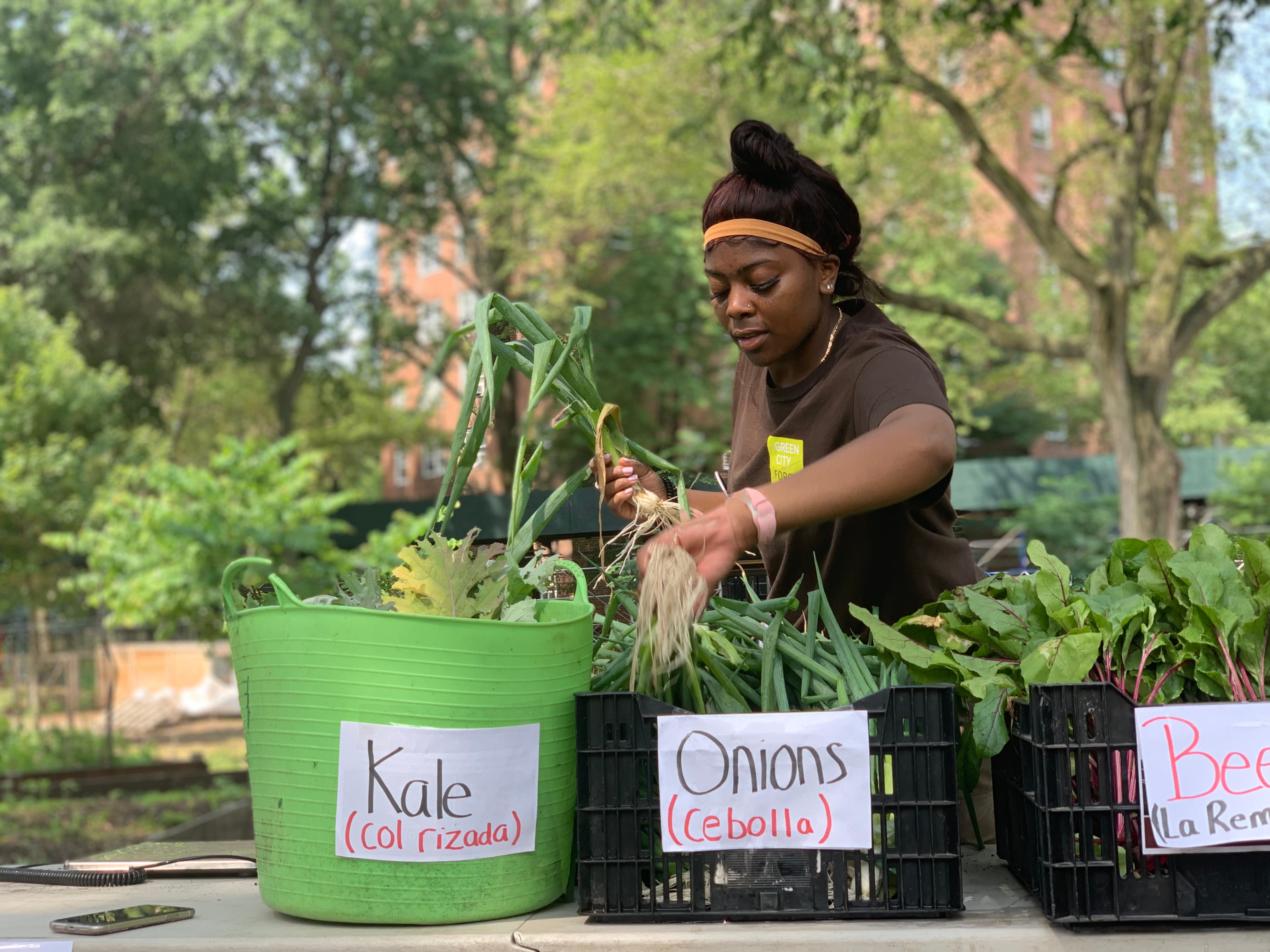
Through conversations with passionate and mindful designers, The Design Thinking Podcast Roundtable explores various aspects of design and how it can create change and social impact. Here we highlight two episodes that demonstrate how design thinking becomes transformative when rooted in community. Both guests reveal what happens when young people are given real tools, real agency and real pathways to shape the places they live. Both conversations center on Green City Force, but from different perspectives — one from its current leadership on the ground, the other from its co-founder reflecting on decades of building movements that put young people at the heart of social change.
First up is our podcast episode featuring Tonya Gayle of Green City Force, who shares how the organisation trains young adults in New York City public housing to become leaders in the green economy by building farms, compost systems and sustainability projects in their own communities. What makes this compelling is both the holistic approach and the results. Gayle explains how environmental injustice and economic inequality are inseparable. She describes how housing conditions, pollution, food access and climate stress intersect to create deep inequities, and why lasting change must be shaped by the residents themselves. Through stories like Domingo – who turned a Green City Force internship into a career, founded Compost Power and now trains others – Tonya shows how community-driven climate solutions can spark both personal transformation and broader systems change.
Next up is our podcast episode featuring Lisbeth Shepherd, whose work has shaped civic service on both sides of the Atlantic, from co-founding Unicité in France to developing Green City Force in New York. She describes how structured service can transform young people’s lives by pairing meaningful, hands-on work with learning, mentorship and a sense of purpose. What resonates in her story is a belief that social innovation must be rooted in communities, shaped by those closest to the challenge and continually iterated through practice. Shepherd reflects on how issues like economic inequality, climate vulnerability and social isolation intersect, and why designing service programmes with intention can create both individual momentum and systemic impact. Her reflections reveal how giving young people the chance to contribute – whether through community projects, climate work or neighbourhood initiatives – can build skills, confidence and long-term pathways that strengthen entire ecosystems.